
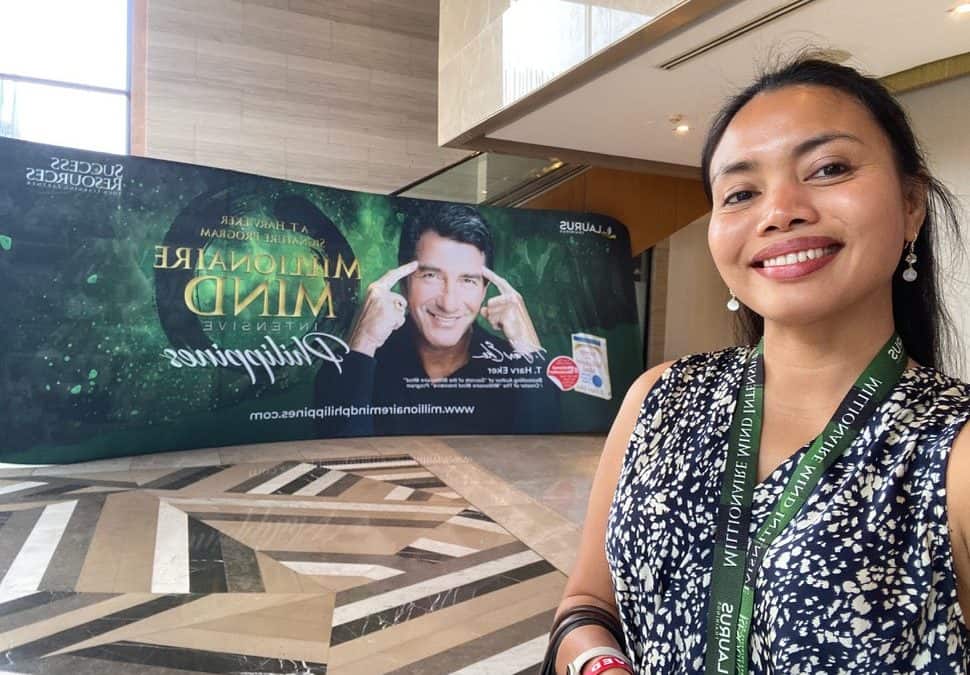
A money seminar with dancing, laughter and tears? That was my Millionaire Mind Intensive experience in Davao City in August 2026. It was an excellent three-day training, and it gave me plenty to think about. The lesson I’m starting to put into practice is the JARS money management system.
The event ran from 8 to 10 August, organised by Laurus Enterprises, with lead trainer Robert Raymond Riopel from Canada. I wanted to share this part of my experience here because learning about money becomes more useful when I can connect it to everyday decisions.
As a digital marketer and Airbnb host, financial literacy sits alongside the other things I share on this blog, including travel and side hustles. This time, I’m sharing what I learned about managing money and how I’m beginning to put it into practice.
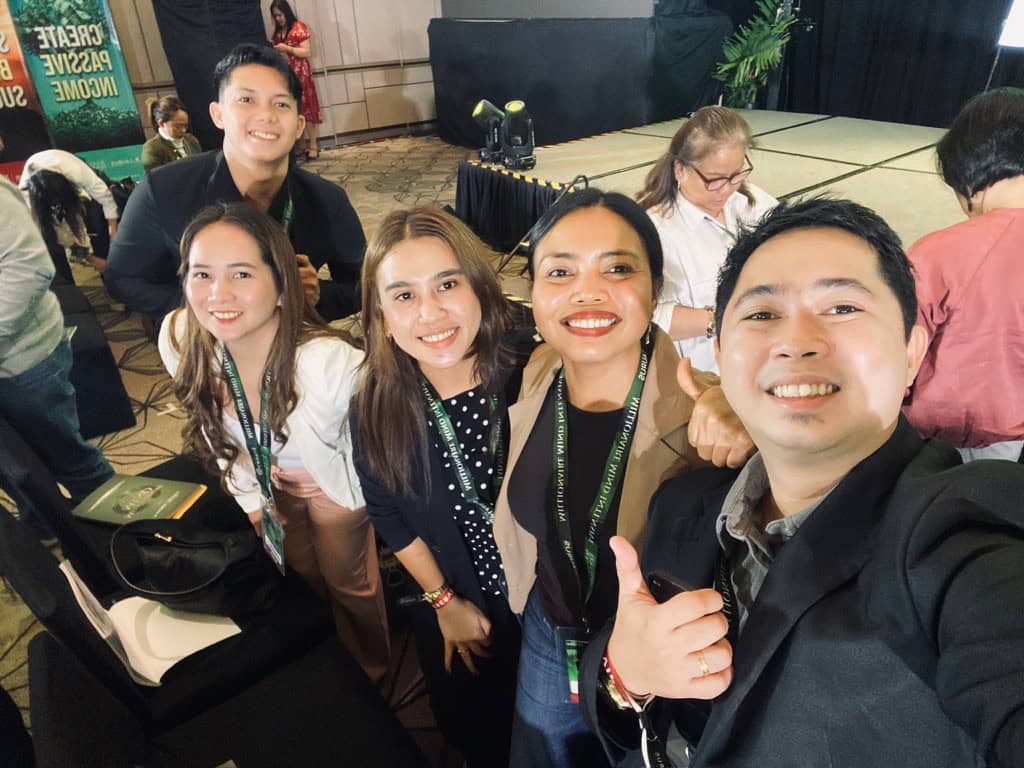
Questioning old beliefs about money
One important part of MMI was questioning old beliefs about money. It encouraged me to think about the ideas I’ve carried with me and how they might influence my financial decisions. That reflection belongs alongside the practical work of learning how to manage money.
A useful way to explore that is to ask where a money belief came from. Was it something heard growing up, something learned through work, or a conclusion drawn from one difficult experience? Then comes another question: does that belief still help with the decision in front of you?
For example, someone might assume that budgeting only becomes worthwhile once they earn more. Looking at what is available now can make that assumption easier to examine. Writing down a question like this gives you something concrete to revisit when you make a spending or saving decision. Reflection takes time, and it helps when it leads to a small, practical change.
The lesson I am putting into practice
The JARS system gives different portions of your money a specific purpose. Instead of treating everything as one available balance, you separate it into categories for everyday needs, savings, learning, enjoyment, investing and giving.
That structure is the main lesson I’m taking from MMI. It gives me a practical way to think about where my money goes, including the things I want to support beyond my own expenses. I’m still at the beginning of using it, so this is a starting point rather than a report of long-term results.
One everyday example is looking at a bank balance before making a purchase. The balance might include money already needed for bills, a future expense or a donation. Giving those amounts separate purposes can make the decision clearer. It also makes the trade-offs more visible: using money from one category means less is available for that category’s original purpose.
What the six jars mean
In T. Harv Eker’s standard JARS framework, the suggested allocation is:
- Necessities — 55% for everyday living costs, such as food, housing and bills.
- Long-term savings for spending — 10% for future purchases or unexpected costs.
- Education — 10% for learning, such as books and courses.
- Play — 10% for leisure and enjoyment.
- Financial freedom — 10% for investments intended to build future income.
- Giving — 5% for helping others and supporting causes.
Those percentages describe the original framework. They aren’t a breakdown of my personal budget. The categories can be represented by actual jars or separate accounts; the basic idea is to keep each purpose clear.
It also helps to understand the difference between the two future-focused jars. Long-term savings for spending has an intended use, such as a planned purchase or an unexpected expense. The financial freedom category is intended for investing. Giving an account that label does not make an investment safe or guarantee an income; any investment still needs its own research and risk assessment.
The education and play categories make room for learning and enjoyment within the same framework. A book, course or leisure activity can be considered against the amount available for that purpose. The labels are simple, but the useful work is deciding what each one means in a real budget.
Why my giving jar is 15 per cent
For my own version, I’m allocating 15% to the giving jar because I support my family and donate to animal charity. Both are part of what I want to make room for when managing my money.
Having a giving category brings those priorities into the budget itself. For me, it is a way to account for the support I provide, alongside the other things my money needs to cover.
Increasing giving from the standard 5% to 15% also means the other allocations need to change so the whole budget still adds up to 100%. I’m sharing the giving decision here rather than presenting the standard percentages as though they are my complete plan.
That adjustment is personal. Someone else may have different responsibilities, essential costs or capacity to give. The percentage only becomes meaningful when it works alongside the rest of the numbers. A giving goal should be considered together with what is needed to meet existing commitments.
Turning the lesson into an everyday habit
For anyone curious about trying the framework, a simple starting point is to write down the money available and the expenses it needs to cover. Include costs that arrive less often, as well as the familiar monthly bills. That gives the categories some context before percentages are chosen.
The next step can be as straightforward as labelling the categories in a notebook or spreadsheet. Separate accounts are another option, but it is worth checking fees and minimum balances before opening anything. The record should make it easy to see what has been set aside, what has been spent and what remains.
A short review can then show where the plan needs adjusting. Are essential expenses higher than expected? Has a planned purchase changed? Was money counted twice? Those questions make the exercise useful even while someone is still learning. A budget needs to reflect actual circumstances, and the JARS labels alone cannot solve a shortfall or promise wealth.
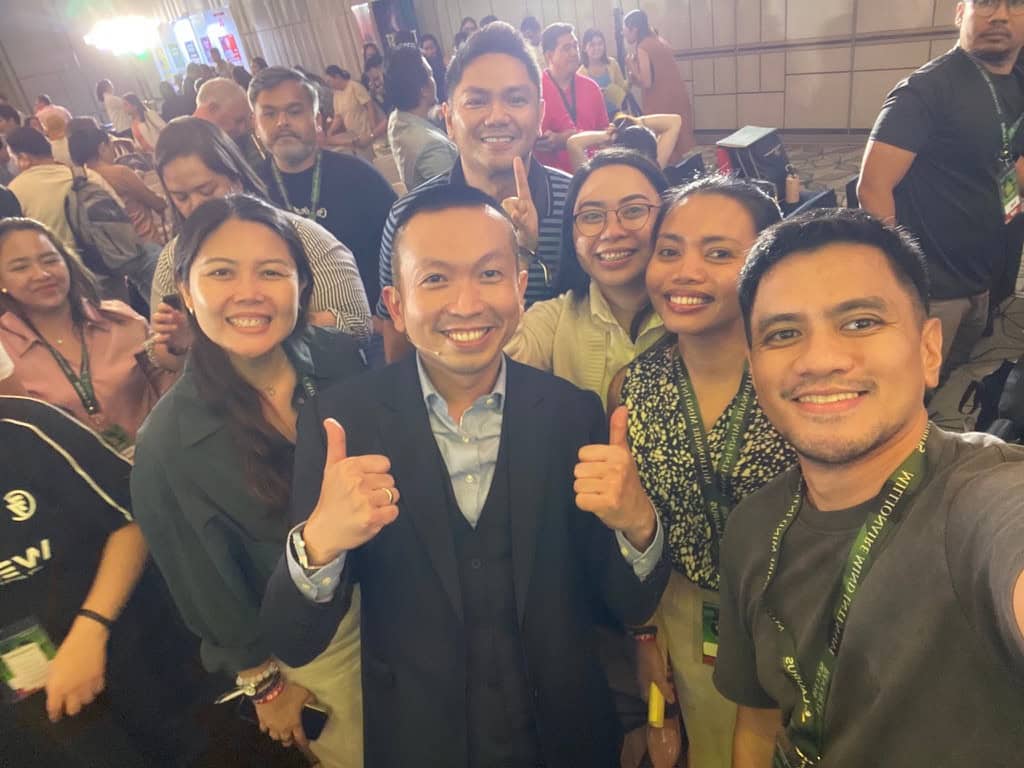
Our lead trainer, Robert Raymond Riopel, was so good at bringing out those emotions. He could have us laughing one moment and crying the next. And yes, we danced too! There was a lot happening throughout the event, which made being there and taking part such an unforgettable experience for me. Elven Camus was amazing too and deserves a special mention. Kudos to Laurus Enterprises, Robert Raymond Riopel and Elven Camus for making our Davao MMI experience so special!
My practical tips before booking MMI
After attending MMI in Davao, I’d suggest planning the practical side before paying for your place. Check the organiser’s current ticket price, what is included, the daily schedule and the cancellation or transfer terms. Add accommodation, meals and transport to your budget so you have a clearer idea of the full cost.
If your budget allows, staying at the hotel where the event takes place would be my first choice. Some of my classmates did this, and I think it makes sense because sessions can finish late. A nearby hotel is another option, especially if you can get to and from the venue easily. Check the actual journey rather than relying only on how close somewhere looks on a map.
Plan lunch close to the venue, too. During our Davao event, we sometimes had only 45 minutes for lunch. That left little time to travel somewhere, order, eat and get back. I’d recommend eating inside the hotel or at a very nearby eatery, with enough time allowed for queues and service. Save the long, leisurely lunch for another day!
Be ready to return at the time you’re given. A lot happens during the sessions, and coming back late can mean missing activities and opportunities for rewards. I’d rather keep lunch simple and be back on time than miss part of the experience.
The days were intense and energetic. We danced as well, so come prepared to participate and consider comfortable clothing and shoes. There was free coffee at our Davao event, but lunch was not provided free. Those are details from my own experience; check the inclusions and arrangements for the specific event you book, including the November Manila event.
An experience I would recommend
Based on my experience in Davao, I’d encourage everyone to consider joining MMI. For me, taking time to learn about money and question old beliefs was one of the best investments I could make in myself. The value comes from the learning and what I put into practice afterwards.
If you’re interested, the next Manila event is scheduled for 6 to 8 November 2026 at Winford Hotel Manila in Sta. Cruz. You can read the organiser’s details to decide whether it’s right for you.
Learn more about the November MMI event in Manila

Personal experience shared for educational purposes, not individual financial advice.
Recent Comments